10 Science-Backed Benefits of Moringa Powder
Moringa oleifera has been part of Indian kitchens and home remedies for centuries. In many households the drumstick tree grows in the backyard, its pods going into sambar and its leaves into a quick stir-fry. What is newer is the steady stream of laboratory and clinical studies looking at the dried leaf powder, which is what most people now buy in a jar. The science is still young in places, but it is specific enough to separate the genuine benefits from the marketing noise.
This guide walks through ten benefits that have reasonable evidence behind them. We have kept the framing honest: moringa is a nutrient-dense food and a wellness support, not a medicine. Where a claim is preliminary, we say so. And throughout, we point to sensible amounts and timing so you can actually use the powder rather than just read about it.
1. A Genuinely Dense Source of Everyday Nutrients
The clearest, least debatable benefit of moringa leaf powder is its nutrient profile. Gram for gram, dried moringa leaves carry meaningful amounts of vitamin A (as beta-carotene), vitamin C, calcium, potassium, iron, and protein, along with all nine essential amino acids in modest quantities. A single teaspoon (roughly 2 to 3 grams) will not replace a meal, but it adds a concentrated layer of micronutrients to a smoothie, dal, or buttermilk.
This is why moringa is often described as a food first and a supplement second. For people whose diets are short on leafy greens, a daily spoonful is an easy way to nudge intake of plant minerals and vitamins in the right direction.
Tip: Pair moringa with a squeeze of lemon or a vitamin C source. The vitamin C helps your body absorb the plant (non-heme) iron in the leaves more efficiently.
2. A High Concentration of Antioxidants
Moringa leaves are rich in antioxidant compounds, including quercetin, chlorogenic acid, and various flavonoids. Antioxidants help the body manage oxidative stress, the everyday cellular wear-and-tear that comes from pollution, sun, processed food, and normal metabolism. Laboratory studies consistently show moringa extracts neutralising free radicals, and small human trials have reported increases in blood antioxidant levels after several weeks of daily intake.
In practical terms, this places moringa in the same useful category as other deeply coloured plant foods. It is a steady, supportive habit rather than a dramatic fix, and it works best as one part of an antioxidant-varied diet that also includes berries, spices like turmeric, and green vegetables.
3. Support for Healthy Blood Sugar Balance
Several small clinical studies suggest moringa leaf powder may help support healthy post-meal blood sugar levels, an effect attributed partly to compounds called isothiocyanates. In some trials, participants who took moringa alongside a meal showed gentler rises in blood glucose afterwards.
This is promising but still early-stage research, with modest sample sizes. Moringa is not a substitute for prescribed medication or a treatment for diabetes. If you take blood-sugar-lowering medicines, this benefit is precisely the reason to be careful, because the effects could add together. Speak to your physician before making moringa a daily habit in that situation.
4. A Hand in Maintaining Healthy Cholesterol Levels
Both animal research and a handful of human studies point to moringa supporting already-healthy cholesterol levels, with some trials reporting reductions in total and LDL cholesterol after regular use over several weeks. The plant sterols and fibre-like compounds in the leaf are the likely contributors.
As with the blood sugar findings, the strength of evidence is moderate, not conclusive. Think of moringa as a supporting actor to the things that genuinely move cholesterol: a fibre-rich diet, regular movement, and limited fried and ultra-processed food.
5. Anti-inflammatory Compounds for Everyday Resilience
Chronic low-grade inflammation sits behind much of the body's long-term wear. Moringa contains isothiocyanates and flavonoids that have shown anti-inflammatory activity in laboratory and animal models. While we should be cautious about extrapolating directly to humans, the consistency of these findings is part of why moringa is valued in traditional practice for general resilience and recovery.
If you lead an active life, the role here is supportive: helping the body manage the routine inflammatory load of exercise, travel, and busy weeks, rather than acting on any specific condition.
Moringa earns its reputation not through one dramatic effect, but through quiet, daily contributions to a body that is already doing its work.
6. Digestive Comfort and Fibre
Moringa leaves contain dietary fibre, which supports regularity and feeds the beneficial bacteria in the gut. Traditional Ayurvedic use has long favoured the drumstick plant for digestive comfort, and the modern rationale lines up: fibre plus a mild antimicrobial profile from the leaf's natural compounds.
Introduce it gradually. A large dose on day one can cause a mild laxative effect or loose stools in sensitive people. Starting small lets your gut adjust and avoids unnecessary discomfort.
- Begin with half a teaspoon a day for the first week.
- Drink it with enough water so the fibre works with you, not against you.
- Build up to a full teaspoon or two as your body settles.
7. Iron and the Fight Against Everyday Fatigue
Moringa is a notable plant source of iron, and iron is central to carrying oxygen around the body. For vegetarians and people who tire easily on a low-iron diet, a daily spoonful can be a small, useful contribution to overall intake. The vitamin C naturally present in the leaf also helps with absorption.
A clarification worth making: moringa supports iron intake, but it does not diagnose or treat anaemia. If you are persistently tired, pale, or breathless, that is a reason to get a blood test, not to simply add more powder. Use moringa as part of an iron-aware diet, not as a replacement for proper medical assessment.
8. Skin and Hair Support from the Inside
The combination of vitamin A, vitamin C, zinc, and antioxidants in moringa is exactly the kind of nutrient mix the body uses to maintain healthy skin and hair. Vitamin C is needed for collagen formation, vitamin A supports skin cell turnover, and antioxidants help defend against environmental stress on the skin.
This is a nutrition-from-within benefit rather than a topical claim. Consistency matters more than dose here. A daily spoonful over weeks contributes more to skin and hair health than an occasional large serving.
9. A Plant-Based Protein and Amino Acid Boost
Dried moringa leaf is unusually high in protein for a leafy green, and it carries a full set of essential amino acids. The quantities in a teaspoon are modest, so moringa will not meet your daily protein needs on its own. But for plant-based eaters it is a convenient way to add amino-acid variety to smoothies, soups, and breakfasts.
Treat it as a topping that improves the quality of a meal rather than a primary protein source. Blended into a banana and curd smoothie, or stirred into khichdi at the end of cooking, it folds into the day without effort.
10. Calcium and Bone-Supporting Minerals
Moringa leaves provide calcium along with magnesium and potassium, minerals that work together to support bone health. For people who do not consume much dairy, this is a useful plant contribution toward daily calcium intake. It does not replace dairy, fortified foods, or a doctor's advice on bone health, but it adds a meaningful layer.
Across all ten benefits, the through-line is the same. Moringa is a nutrient-dense whole food with a growing body of supportive research. It rewards steady daily use far more than occasional heroic doses.
How to Use Moringa Powder Day to Day
Most people do well with 3 to 5 grams (roughly one teaspoon) of moringa leaf powder per day, taken with or after a meal. You can split this across the day if you prefer, and you can build up gradually from a smaller amount in the first week to let your digestion adjust.
- 1Start with half a teaspoon daily for the first 5 to 7 days.
- 2Stir it into a glass of water, buttermilk, or a smoothie; the flavour is grassy and earthy, so fruit, curd, or lemon balances it well.
- 3Add it to cooked food at the end of cooking rather than during, to protect heat-sensitive nutrients.
- 4Increase to a full teaspoon (3 to 5 g) once your body is comfortable.
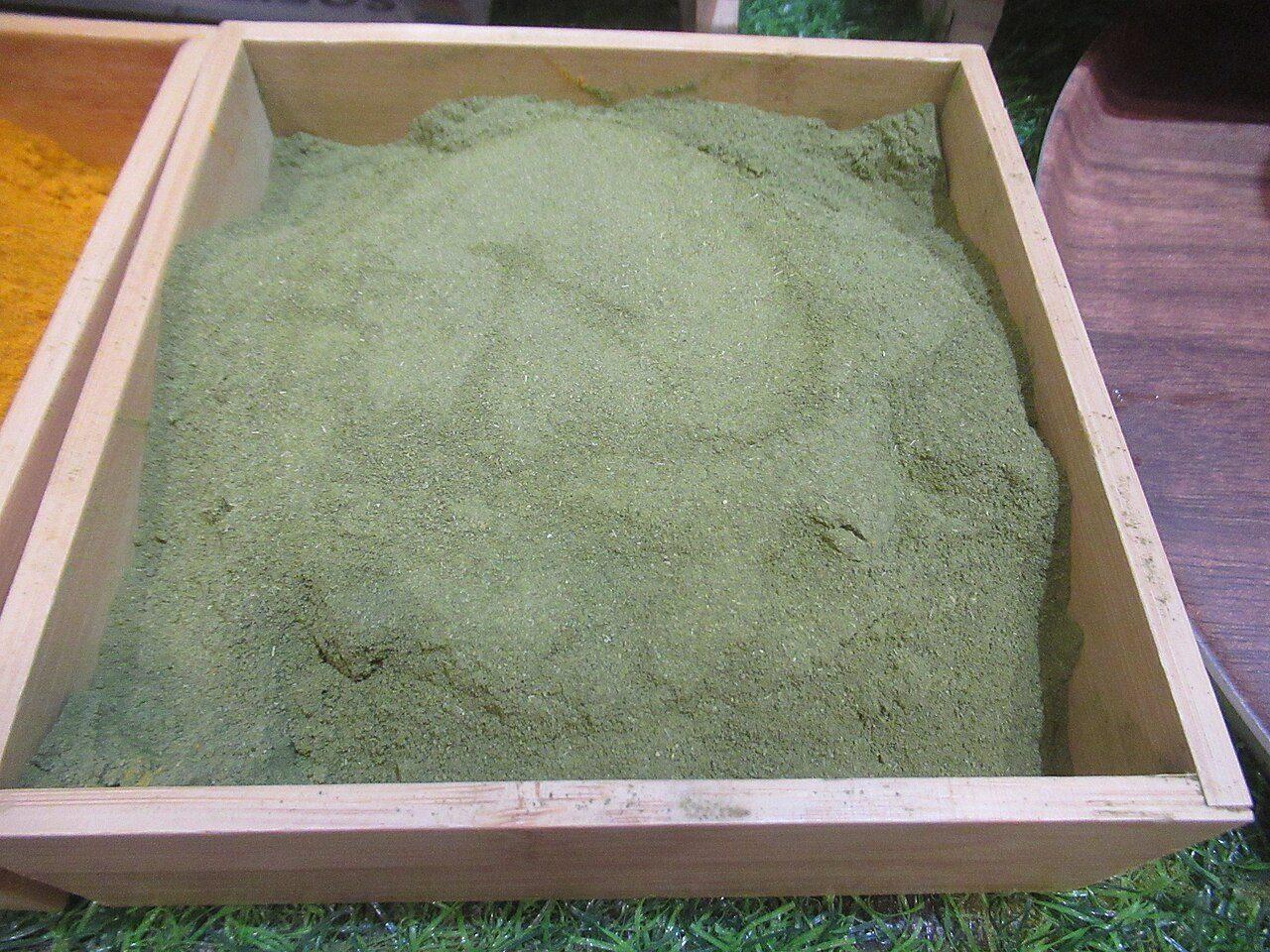
- 5Keep the jar sealed, cool, and away from sunlight; quality moringa is a vivid green, and a dull, faded colour signals age or poor storage.
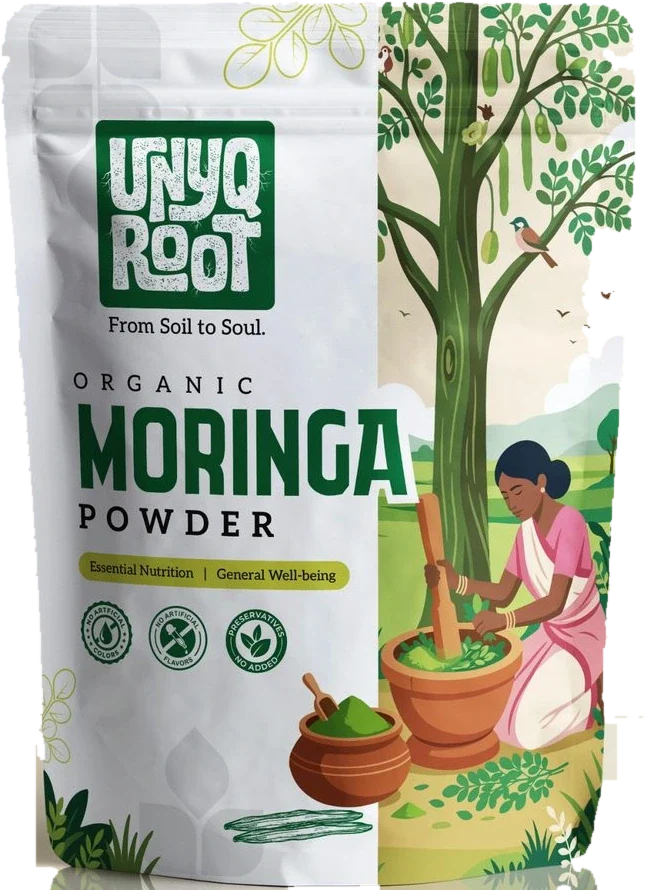
If you would rather not source and verify quality yourself, UNYQROOT's organic moringa powder is single-origin and stone-ground to keep the leaf's natural colour and nutrients intact, which is the same green you would expect from freshly dried leaves.
Important: If you are pregnant, nursing, or taking medication, especially for blood sugar, blood pressure, or thyroid, talk to your physician before adding moringa to your routine. Traditional practice also advises caution with moringa root and bark, which are not the same as the leaf powder and are best avoided during pregnancy.
Who Should Be Cautious
Moringa leaf powder is well tolerated by most healthy adults as part of a balanced diet. A few groups should take extra care. People on diabetes or blood-pressure medication should monitor for additive effects. Those on thyroid medication should consult their doctor, as some plant compounds may interact. And because high amounts can have a mild laxative or stimulating effect, starting low and going slow is always the wiser approach.
Used sensibly, moringa is one of the simplest ways to add real nutritional value to an ordinary day. It is not a miracle, and the most honest brands will never sell it as one. It is a quietly excellent green, backed by enough science to deserve a regular place on the shelf, from soil to soul.
Bring Moringa into your routine
View productFrequently asked
Most adults do well with 3 to 5 grams, about one teaspoon, per day taken with food. Start with half a teaspoon for the first week and build up so your digestion can adjust.